

Enrichment Versus Exercise Dogs Need Both

A long walk can leave a dog physically tired, yet still unable to settle at home. They may pace, bark at the window, pester the family, or race from room to room. That is where enrichment versus exercise dogs becomes less of a choice and more of a useful question: what kind of need is your dog trying to meet?
Exercise and enrichment often overlap, but they do different jobs. Movement helps a dog use their body. Enrichment gives their brain, senses, and natural behaviors something meaningful to do. Most family dogs need some of each, adjusted for their age, health, breed tendencies, daily environment, and individual personality.
Exercise helps the body release energy
Exercise is purposeful physical activity: a neighborhood walk, a game of fetch, swimming, hiking, tug, or a romp with a compatible dog friend. It supports cardiovascular health, muscle tone, coordination, sleep, and a dog’s need to move through the world.
For many dogs, a predictable daily walk is also emotionally valuable. It offers fresh air, changing scenery, and time beside their people. For a puppy in Plano learning about the neighborhood or an adult dog in North Dallas who spends much of the day indoors, that routine can make a real difference.
But more exercise is not always the answer. Some dogs become fitter and fitter without becoming calmer. Others get overstimulated by fast fetch, crowded dog parks, or high-energy play. A dog who comes home from an intense outing and cannot rest may not need another round of activity. They may need help coming down from a very high level of arousal.
Think of exercise like charging through a busy day. It can feel good and necessary, but it does not automatically create focus, confidence, or relaxation.
Enrichment gives your dog a job to do
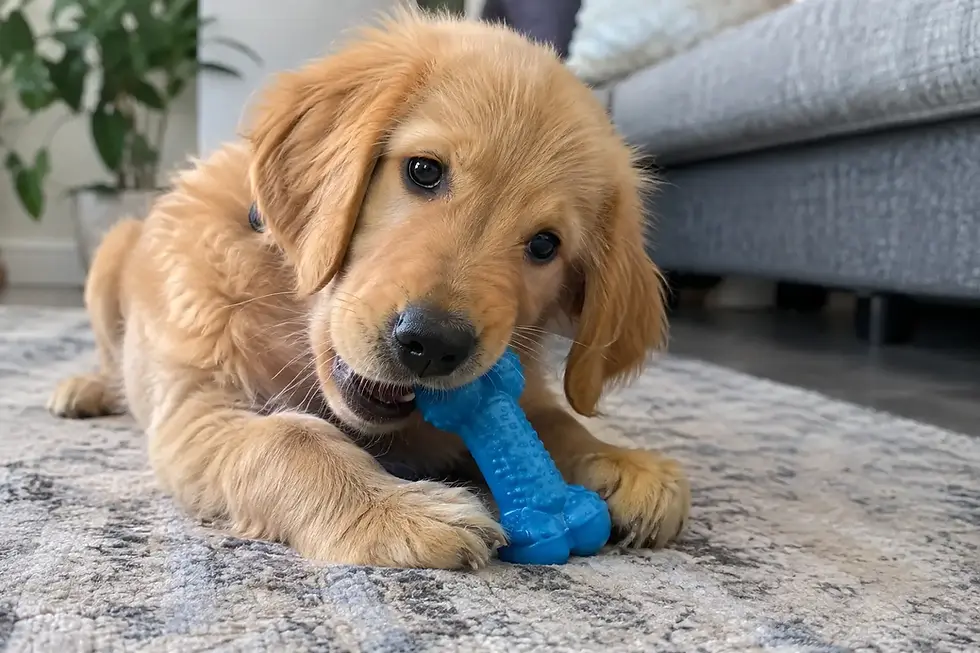
Enrichment is anything that safely gives a dog choice, problem-solving opportunities, sensory input, or an outlet for normal canine behavior. It can be wonderfully simple. Sniffing a patch of grass, searching for breakfast in a towel, chewing an appropriate item, learning a new cue, or choosing which direction to explore on a walk can all count.
The goal is not to keep your dog entertained every minute. It is to add meaningful moments to daily life, especially during long workdays, hot Texas afternoons, rainy weeks, recovery from surgery, or times when regular outings are limited.
A dog’s nose is one of the best places to start. A 15-minute sniff walk, where your dog can investigate at a comfortable pace, may be more satisfying than a rushed 30-minute march around the block. Letting your dog sniff is not “letting them get away with something.” It is often allowing them to gather information in the way dogs naturally do.
Food enrichment can be helpful, too. You might scatter part of a meal in the yard, place kibble in a puzzle feeder, or hide a few treats around one room while your dog waits behind a gate. Choose options that match your dog’s skill level. If a puzzle is too hard, frustration can replace fun.
Enrichment versus exercise for dogs: which comes first?
There is no single right order. It depends on the dog in front of you.
A young, energetic dog may benefit from a short movement break before training or food puzzles. A few minutes of walking, gentle tug, or play can make it easier for them to concentrate. On the other hand, a dog who becomes frantic outside may do better with calming enrichment at home before a quieter walk.
Consider a dog who pulls hard toward every squirrel, barks at passing dogs, and seems unable to hear their person. Adding miles may build endurance, but it may not address the emotional experience of the walk. Greater distance is not necessarily greater relief. A slower route, more space from triggers, sniffing opportunities, and simple reward-based check-ins can be a better fit.
For a senior dog, a dog with arthritis, or a dog recovering from an injury, enrichment may carry more of the daily workload while physical activity is modified with veterinary guidance. Gentle scent games, hand targets, easy training, licking activities, and calm observation from a shaded porch can offer a lot without asking too much of the body.
Watch the dog, not the clock
Online recommendations often suggest a certain number of exercise minutes per day. Those guidelines can be a starting point, but they cannot replace observation. Two dogs of the same breed and age may need very different routines.
Look at what happens after an activity. A good fit often leaves a dog able to drink, rest, and settle within a reasonable time. They may look pleasantly tired without seeming wired, frantic, sore, or shut down. If your dog becomes more mouthy, jumpy, restless, or reactive after an activity, the intensity, length, or setting may need adjusting.
Also notice whether behavior changes across the week. A dog who is calm after a Saturday hike but struggles on busy weekdays may need more than a big weekend outing. Short, regular outlets are usually easier on the household and more useful for emotional regulation than trying to “wear out” a dog all at once.
Build a realistic daily mix
A balanced routine does not need to look like a full-time job. For a busy Frisco or DFW family, it might mean a sniff-focused morning walk, breakfast delivered through an easy food toy, a brief training game before dinner, and a quiet chew while the family settles in for the evening.
Training itself can be enrichment when it is voluntary, reward-based, and kept short. Practice hand targets, finding a treat under a cup, going to a mat, or following a treat around a chair. These are not just obedience exercises. They help dogs learn how to pay attention, make choices, and succeed with their people.
Play can also serve both needs. Tug involves movement, connection, and rules. A simple “find it” game in the living room uses the nose and encourages a pause between repetitions. The best activity is often the one your dog enjoys and can recover from well.
Try changing one part of the routine rather than adding everything at once. If your dog is restless in the evening, offer a sniffy walk or a scatter feed before assuming they need a longer run. If they seem bored on rainy days, add two five-minute training sessions instead of expecting one complicated puzzle to solve the whole problem.
When behavior needs more support
Enrichment and exercise are valuable supports, but they are not cures for fear, separation anxiety, reactivity, aggression, pain, or a sudden change in behavior. A dog who growls when touched, panics when left alone, lunges on walks, or has a bite history deserves a thoughtful, safety-first plan.
Start by preventing situations that overwhelm them when possible. Then speak with your veterinarian about sudden changes, discomfort, or medical concerns. A qualified, force-free behavior professional can help you understand what your dog is communicating and build skills without adding fear or punishment.
If your family in Dallas, Plano, Frisco, or the wider DFW area would like help creating a routine that fits your actual dog and actual schedule, consider scheduling a free phone consultation with Wiggle Butt Academy. A small adjustment can be easier to sustain when it is tailored to your household.
TL;DR
Exercise works the body, while enrichment engages the brain, senses, and natural behaviors. Dogs usually benefit from both, but the right balance depends on how they respond, recover, and function in daily life. Rather than trying to exhaust your dog, aim for a routine that helps them move, think, feel safe, and rest.
Quick Tips
Let some walks be sniff walks, not just distance walks.
Use part of your dog’s daily food for simple searching or puzzle activities.
Watch for calm recovery after activity, not just physical tiredness.
Keep training short, reward-based, and easy enough for your dog to enjoy.
Seek veterinary or professional support when behavior is sudden, fearful, unsafe, or escalating.
Thank you for spending time with the Wiggle Butt Library. Learning what your dog needs is a caring step toward a calmer, more connected life together.


Comments